
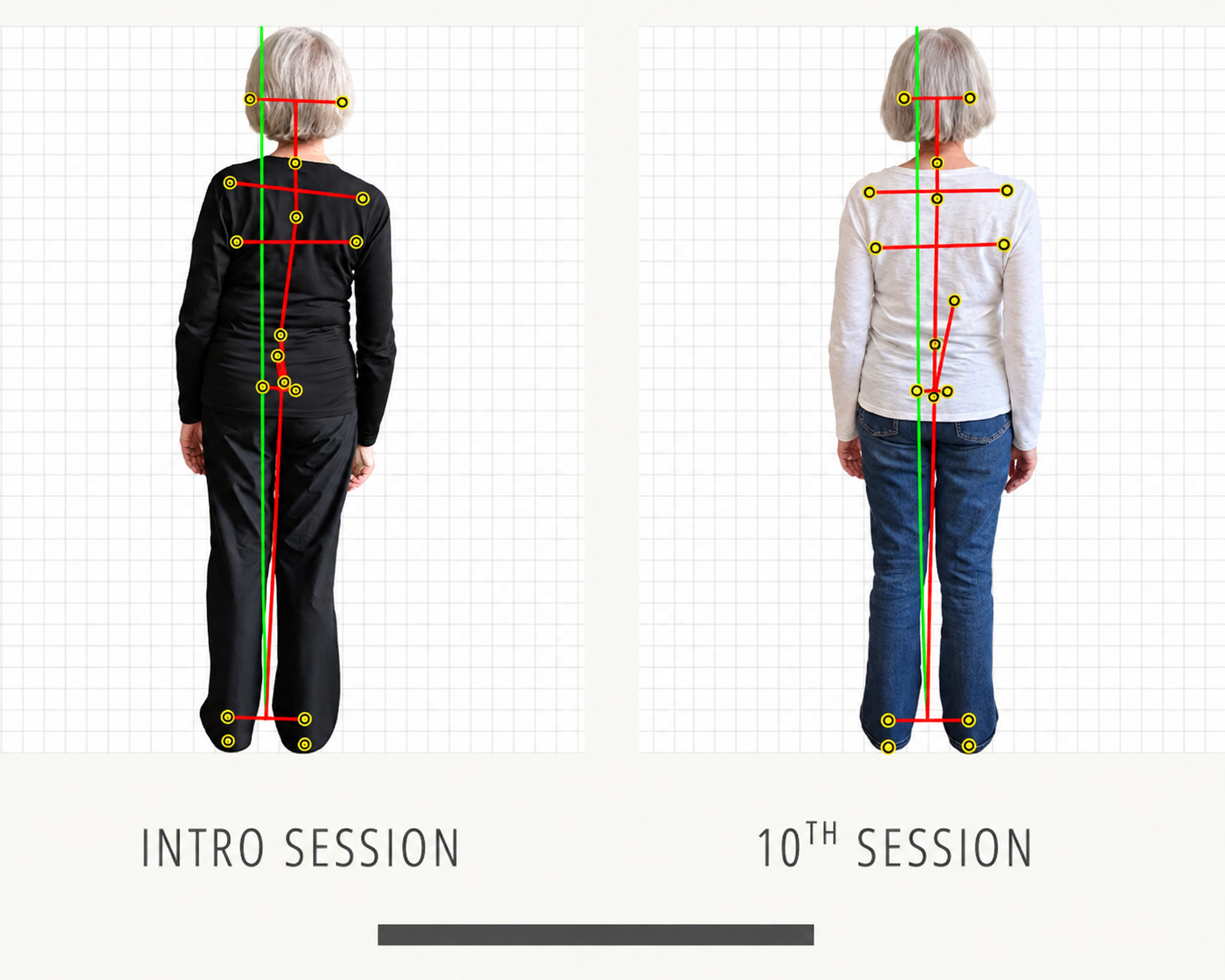
is pilates a safe practice if you have scoliosis?
If you have scoliosis, you may have wondered whether Pilates is right for your body. Is it safe for your spine? Perhaps you've tried general Pilates classes, searched for scoliosis exercises online, or looked for a more personalized approach to movement. You may even be searching for scoliosis care in Charlotte, NC, and trying to understand which options make the most sense for you.
The answer begins with understanding that not all Pilates is scoliosis-specific.
While traditional Pilates can be an excellent way to develop strength, mobility, and body awareness, scoliosis-specific Pilates takes an individualized approach to movement. Exercises and instruction are adapted to the person's needs, movement patterns, and goals rather than following a one-size-fits-all routine.
At Mira Movement Pilates in Charlotte, North Carolina, Andrea Moreno, a Certified Scolio-Pilates® Practitioner, helps clients explore a more personalized approach to movement and spinal alignment.
Whether you've recently learned you have scoliosis or have been living with it for years, understanding scoliosis-specific Pilates can help you make more informed decisions about your movement practice.
Understanding that Scoliosis is More Than just a Curved Spine
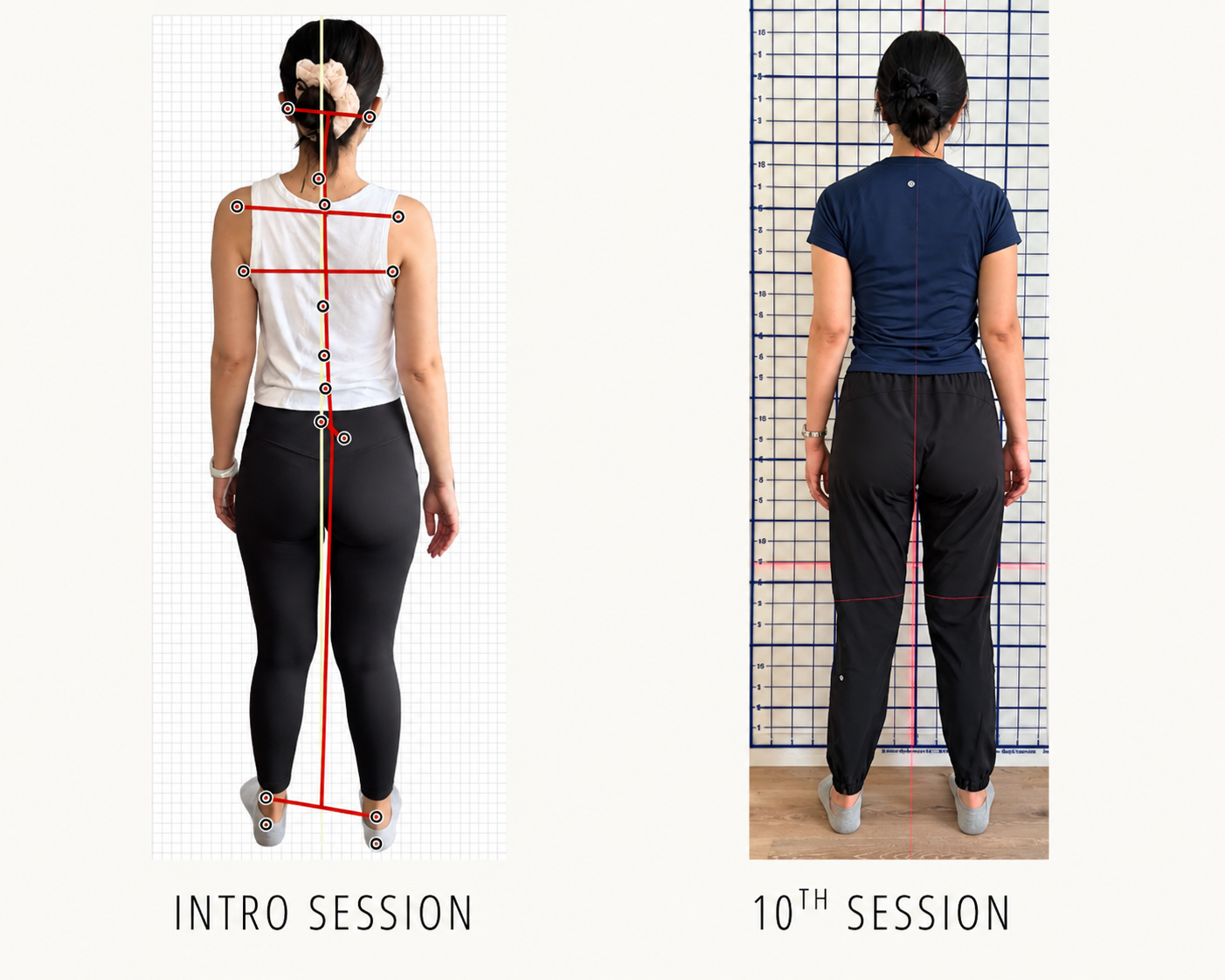
Scoliosis is a condition in which the spine curves sideways and may also rotate, creating a three-dimensional change in spinal alignment. It can develop during adolescence, occur alongside other conditions, or become more noticeable in adulthood.
Scoliosis can look and feel different from one person to another. Some people notice uneven shoulders, a prominent shoulder blade, an asymmetrical waist, or differences in the position of their hips. Others may have few visible signs and discover their scoliosis during a medical examination.
For adults, scoliosis may be associated with stiffness, discomfort, changes in posture, or challenges with certain physical activities. However, symptoms vary considerably, and not everyone with scoliosis experiences pain or movement limitations.
Because each person's spinal curve and physical needs are different, a movement program designed for the general population may not address the specific considerations associated with scoliosis.
This is one reason people seek scoliosis-specific exercise and individualized movement instruction.
Rather than focusing only on how a person looks in a particular position, a specialized approach considers how they move, how they perceive their posture, and which exercises are appropriate for their individual circumstances.
What Is Scoliosis Specific Pilates?
Scoliosis-specific Pilates is an individualized approach to Pilates-based movement that considers a person's scoliosis and adapts exercises to their needs.
Traditional Pilates commonly emphasizes core strength, controlled movement, flexibility, coordination, and body awareness. These principles can also be useful when working with scoliosis, but specialized instruction involves additional consideration of spinal alignment, asymmetrical movement patterns, breathing, and individual goals.
The purpose is not simply to perform Pilates exercises while having scoliosis. It is to approach movement with a better understanding of how the body is positioned and how exercises may be adapted to the individual.
Depending on the person and the practitioner's training, a scoliosis-specific session may incorporate:
Postural awareness: Learning to recognize habitual positioning and develop greater awareness of how the body moves.
Intentional breathing: Exploring breathing patterns and rib-cage movement as appropriate to the individual's needs.
Spinal elongation and alignment awareness: Practicing controlled movements that encourage awareness of length, positioning, and alignment.
Core control and stabilization: Developing strength and coordination to support functional movement.
Individualized exercise selection: Adapting movements, positioning, and progression to the person's abilities and goals.
Specialized scoliosis exercise approaches often emphasize individualized instruction, active postural correction, stabilization, and applying movement principles to everyday activities. These concepts are discussed in the SOSORT scoliosis treatment guidelines.
It is important to recognize that scoliosis-specific Pilates and physiotherapeutic scoliosis-specific exercise programs are not automatically interchangeable. Their methods, practitioner qualifications, and evidence bases can differ.
At Mira Movement Pilates, Andrea brings specialized Scolio-Pilates® training to her work with clients who want a more individualized approach to movement and spinal alignment.
Scoliosis Specific Pilates vs. Traditional Pilates: What's the Difference?
One of the most common questions people have is whether they can simply attend a regular Pilates class if they have scoliosis.
The answer depends on the individual, the exercises being taught, and the instructor's understanding of scoliosis.
Many people with scoliosis can participate in general Pilates classes. Traditional Pilates can support overall fitness, strength, coordination, and mobility. However, a general class may not have the time or specialized knowledge needed to address an individual's particular spinal curve and movement patterns.
Scoliosis-specific Pilates places those individual considerations at the center of the experience.
Traditional Pilates generally follows a program designed around broader fitness and movement goals. Exercises may be modified for individual abilities, but scoliosis-specific considerations are not necessarily part of the instruction.
Scoliosis-specific Pilates takes a more targeted approach. The practitioner considers the individual's movement patterns, postural awareness, physical capabilities, and goals when selecting and adapting exercises.
For example, two people may both have scoliosis but demonstrate different movement patterns and have different physical needs. An exercise that feels appropriate for one person may need to be modified or replaced for the other.
The distinction is not that traditional Pilates is bad or inappropriate for everyone with scoliosis. Rather, someone specifically seeking scoliosis-focused movement instruction may benefit from working with a practitioner who has relevant specialized training.
The potential Benefits of doing pilates for Scoliosis treatment & management
What might scoliosis-specific Pilates offer that a general movement program does not?
The potential benefits depend on the individual, the approach used, consistency, and any other care the person receives. While results cannot be guaranteed, individualized movement instruction may support several important aspects of physical function.
1. Greater Body and Postural Awareness
Scoliosis can affect the way the body is positioned and moves. Some people become very aware of their asymmetries, while others have difficulty recognizing their habitual movement patterns.
Scoliosis-specific Pilates encourages participants to pay attention to positioning, alignment, and the way different movements feel.
Developing body awareness may help a person better understand their movement habits and become more intentional about how they stand, sit, exercise, and move throughout the day.
2. Improved Core Strength and Control
Core strength plays an important role in everyday activities, from walking and lifting to maintaining balance and changing positions.
Pilates-based exercises emphasize controlled movement and coordinated muscle engagement. When appropriately adapted, these exercises may help individuals develop strength and control that support their functional goals.
The objective is not to force the spine into a predetermined position. It is to develop appropriate muscular control and movement strategies for the individual.
3. Support for Mobility and Comfortable Movement
Some people with scoliosis experience stiffness or find certain movements uncomfortable. Others remain active without significant limitations.
An individualized movement program can explore appropriate ways to work on mobility, coordination, and movement confidence while respecting the person's capabilities.
Exercises should be selected and progressed according to individual needs rather than pushing everyone through the same sequence.
4. Greater Awareness of Breathing and Rib-Cage Movement
Because scoliosis can involve spinal rotation and changes in the shape of the rib cage, breathing and rib-cage awareness may be relevant considerations in some scoliosis-specific approaches.
Guided breathing exercises can help participants pay closer attention to how they breathe and move their rib cage.
Specific breathing techniques should be selected according to the individual's presentation and the practitioner's training. They are not a guarantee of correcting spinal rotation or resolving respiratory difficulties.
5. More Individualized Exercise Guidance
Perhaps one of the most valuable aspects of scoliosis-specific Pilates is the opportunity to receive instruction tailored to the individual.
Rather than wondering whether an exercise is suitable for your body, you can work with a practitioner who understands the importance of adapting movement and explaining the purpose of each exercise.
This individualized attention can be particularly useful for people who feel uncertain about exercising after a scoliosis diagnosis or who have struggled to find an approach that meets their needs.
6. Better Movement Confidence in Everyday Life
For some people, a scoliosis diagnosis raises questions about which activities are safe, whether certain movements should be avoided, and how to remain physically active.
Appropriate movement instruction can help people develop a clearer understanding of their capabilities and how to approach exercise thoughtfully.
Over time, practicing controlled movements and building familiarity with individualized exercises may help participants feel more confident in their movement routines.
7. A Complement to a Broader Scoliosis Care Plan
Scoliosis-specific movement may be one component of a person's overall approach to caring for their spine and maintaining physical function.
Depending on age, curve characteristics, symptoms, and medical needs, a broader care plan may include medical monitoring, physical therapy, bracing, or other treatment.
Pilates should not replace recommended medical care. Instead, when appropriate, individualized movement instruction may complement the person's other activities and care recommendations.
It is also important to understand that Pilates does not guarantee pain relief, straighten the spine, reverse scoliosis, or prevent curve progression.
The most appropriate goals depend on the individual and should be discussed with qualified healthcare professionals when medical considerations are involved.
What Do Scoliosis Specific Pilates Exercises Look Like?
If you are new to scoliosis-specific Pilates, you may be wondering what actually happens during a session.
There is no single exercise sequence that is right for everyone with scoliosis. The approach depends on the person's movement patterns, abilities, goals, and the practitioner's training.
A session may include several types of movement.
Breathing And Body Awareness
The session may begin with guided breathing or exercises that help the client notice rib-cage movement, posture, and body positioning.
Controlled Spinal Elongation And Positioning
Depending on the individual's needs, exercises may explore comfortable positioning and awareness of spinal length and alignment.
Core Activation And Stabilization
Pilates-based movements may help develop coordination and muscular control to support everyday movement.
Adapted Mat Or Equipment Exercises
Exercises may be performed on a mat or Pilates equipment, with modifications to positioning, resistance, or range of motion as appropriate.
Applying Movement Principles To Daily Activities
Instruction may also focus on how to carry movement awareness into activities such as standing, sitting, walking, and other functional movements.
The goal is not to copy another person's exercise routine. It is to learn which movements are appropriate for you and how to perform them with greater awareness and control.
This is particularly important when searching online for scoliosis exercises. A movement that is helpful for one person may not be appropriate for someone with a different curve pattern, physical limitations, or medical history.
If you have scoliosis and are unsure where to begin, individualized guidance is a better starting point than assuming a generic online exercise routine will meet your needs.
Is Scoliosis Specific Pilates Right for Adults and Teenagers?
Scoliosis-specific movement may be relevant to both adolescents and adults, but the goals and considerations can differ.
Scoliosis-Specific Pilates for Adults
Adults may seek scoliosis-focused movement instruction for many reasons. Some want to maintain an active lifestyle. Others want to improve their body awareness, work on strength and mobility, or find an exercise approach that accounts for their spinal alignment.
Adults with scoliosis may also have other factors to consider, such as age-related spinal changes, previous surgery, osteoporosis, or persistent pain.
A suitable movement program should account for these circumstances and be adapted to the individual's needs.
If you are an adult searching for scoliosis exercises or scoliosis care in Charlotte, look for a practitioner who can explain their training, the purpose of the exercises, and how the approach fits alongside any medical recommendations you have received.
Scoliosis-Specific Movement for Adolescents
Adolescents with scoliosis may have different needs because their bodies are still growing. During this period, medical monitoring and appropriate treatment decisions are especially important.
Scoliosis-specific exercise may be included in a broader care plan when recommended by qualified professionals. However, Pilates should not be presented as a substitute for prescribed bracing, medical monitoring, or other indicated treatment.
Parents considering specialized movement instruction for a teenager should discuss the available options with the adolescent's healthcare team and seek a practitioner whose training and approach are appropriate for young people.
In both cases, the most important consideration is that the program reflects the individual's needs rather than relying on a generic routine.
Scoliosis Care in Charlotte, NC: How to Find the Right Specialist
Searching for scoliosis treatment in Charlotte can bring up a variety of providers and approaches. You may find orthopedic specialists, physical therapists, rehabilitation providers, and movement professionals who work with people who have scoliosis.
Understanding the differences between these services can help you decide where to begin.
If you are exploring scoliosis care in Charlotte, consider asking the following questions.
Does the practitioner have relevant scoliosis-specific training?
General Pilates certification and scoliosis-specific training are not the same. Ask about the practitioner's experience, credentials, and approach to working with scoliosis.
Will the exercises be individualized?
Your needs may differ significantly from those of another person with scoliosis. Look for a practitioner who explains how exercises are selected and adapted to your individual circumstances.
Are the goals realistic and clearly explained?
A responsible practitioner should be able to describe what the movement program aims to support without guaranteeing that it will straighten your spine, eliminate pain, or prevent progression.
Does the practitioner understand when other care may be needed?
Depending on your circumstances, you may need input from a physician, orthopedic specialist, or physical therapist. A movement professional should recognize the limits of their role and encourage appropriate medical care when necessary.
Scoliosis Physical Therapy vs. Scoliosis-Specific Pilates
Physical therapy and scoliosis-specific Pilates can have different roles, and can work together in tandem for scoliosis care and treatment.
Physical therapy is a healthcare service provided by appropriately licensed professionals. Depending on the provider's training and scope of practice, physical therapy may include assessment, rehabilitation, therapeutic exercise, and scoliosis-specific exercise approaches.
Scoliosis-specific Pilates is a specialized movement approach that uses Pilates-based principles and individualized instruction. A practitioner may have specialized scoliosis training without being a licensed physical therapist.
Neither label automatically tells you whether a particular provider is the right fit. Qualifications, experience, methods, and your individual needs all matter.
If you are searching online for Charlotte physical therapy for scoliosis, consider whether you need medical assessment or rehabilitation, specialized movement instruction, or a combination of services. Your physician or other qualified healthcare professional can help you understand which options are appropriate.
For people seeking scoliosis-focused Pilates in Charlotte, Mira Movement Pilates offers an individualized movement approach with Andrea Moreno, a Certified Scolio-Pilates® Practitioner.
What to Expect during a Mira Movement scoliosis Pilates session
At Mira Movement Pilates in Charlotte, Andrea Moreno specializes in individualized movement instruction for people seeking a more scoliosis-focused approach to Pilates.
As a Certified Scolio-Pilates® Practitioner, Andrea brings specialized training to her work with clients who want to develop greater awareness of their movement, work on strength and control, and explore exercises that take their individual needs into account.
Rather than assuming every person with scoliosis should follow the same routine, the emphasis is on a more personalized experience.
Mira Movement Pilates incorporates scoliosis-focused approaches, including Scolio-Pilates® Foundations and Scolio-Flow, to support individualized movement instruction.
Whether you are newly exploring scoliosis-specific exercise or looking for an alternative to a general Pilates class, the first step is learning more about the approach and determining whether it aligns with your goals.
If you have existing medical recommendations or concerns about pain, spinal changes, or exercise limitations, share those with the appropriate healthcare professional and discuss them with your movement practitioner before beginning a new program.
You deserve to understand what you are doing, why you are doing it, and how it fits into your broader approach to movement and well-being.
Frequently Asked Questions About Scoliosis Specific Pilates
Can Pilates help scoliosis?
Pilates may support strength, mobility, body awareness, and functional movement for some people with scoliosis. A scoliosis-specific approach considers the individual's movement patterns and needs. However, Pilates is not a guaranteed way to correct a spinal curve or prevent scoliosis from progressing.
What is the difference between Pilates and scoliosis-specific Pilates?
Traditional Pilates generally focuses on broad fitness goals such as strength, coordination, flexibility, and controlled movement. Scoliosis-specific Pilates adapts instruction and exercise selection to the needs of a person with scoliosis. The practitioner considers the individual's movement patterns, abilities, and goals.
Is scoliosis-specific Pilates the same as physical therapy?
No. Physical therapy is a healthcare service provided by appropriately licensed professionals. Scoliosis-specific Pilates is a specialized movement approach. Depending on the provider's qualifications and training, these services may have different purposes, and one does not automatically replace the other.
Can adults with scoliosis benefit from Pilates?
Some adults may find individualized Pilates helpful for working on strength, mobility, postural awareness, and movement confidence. The most appropriate exercises depend on the person's health history, symptoms, scoliosis presentation, and goals.
Can scoliosis-specific Pilates straighten my spine?
You should not expect Pilates to straighten or reverse a spinal curve. The goals of a movement program should be realistic and individualized. They may include supporting physical function, improving movement awareness, and developing strength and control.
Where can I find scoliosis-specific Pilates in Charlotte, NC?
Mira Movement Pilates offers individualized, scoliosis-focused movement instruction in Charlotte, North Carolina. Andrea Moreno is a Certified Scolio-Pilates® Practitioner. You can visit the Mira Movement Pilates website to learn more about her approach and available services.
Should I try scoliosis exercises I find online?
Online exercises can provide general information, but they may not account for your particular curve pattern, physical capabilities, symptoms, or medical history. If you have scoliosis and are uncertain which exercises are appropriate, seek guidance from a qualified healthcare professional or a practitioner with relevant scoliosis-specific training.
starting your adjunct scoliosis care with mira movement in charlotte nC
Living with scoliosis does not mean you have to stop moving, exercising, or working toward your physical goals. It does mean that understanding your individual needs can be an important part of choosing an appropriate movement approach.
Scoliosis-specific Pilates offers a more individualized way to explore movement, with attention to body awareness, strength, control, and spinal alignment.
If you have been searching for scoliosis care in Charlotte or want to learn more about scoliosis-specific Pilates, Mira Movement Pilates is here to help you explore your options.
Discover a more individualized approach to movement with Mira Movement Pilates. Visit our About Page to learn more about Andrea Moreno and her scoliosis-focused approach to Pilates in Charlotte, NC.
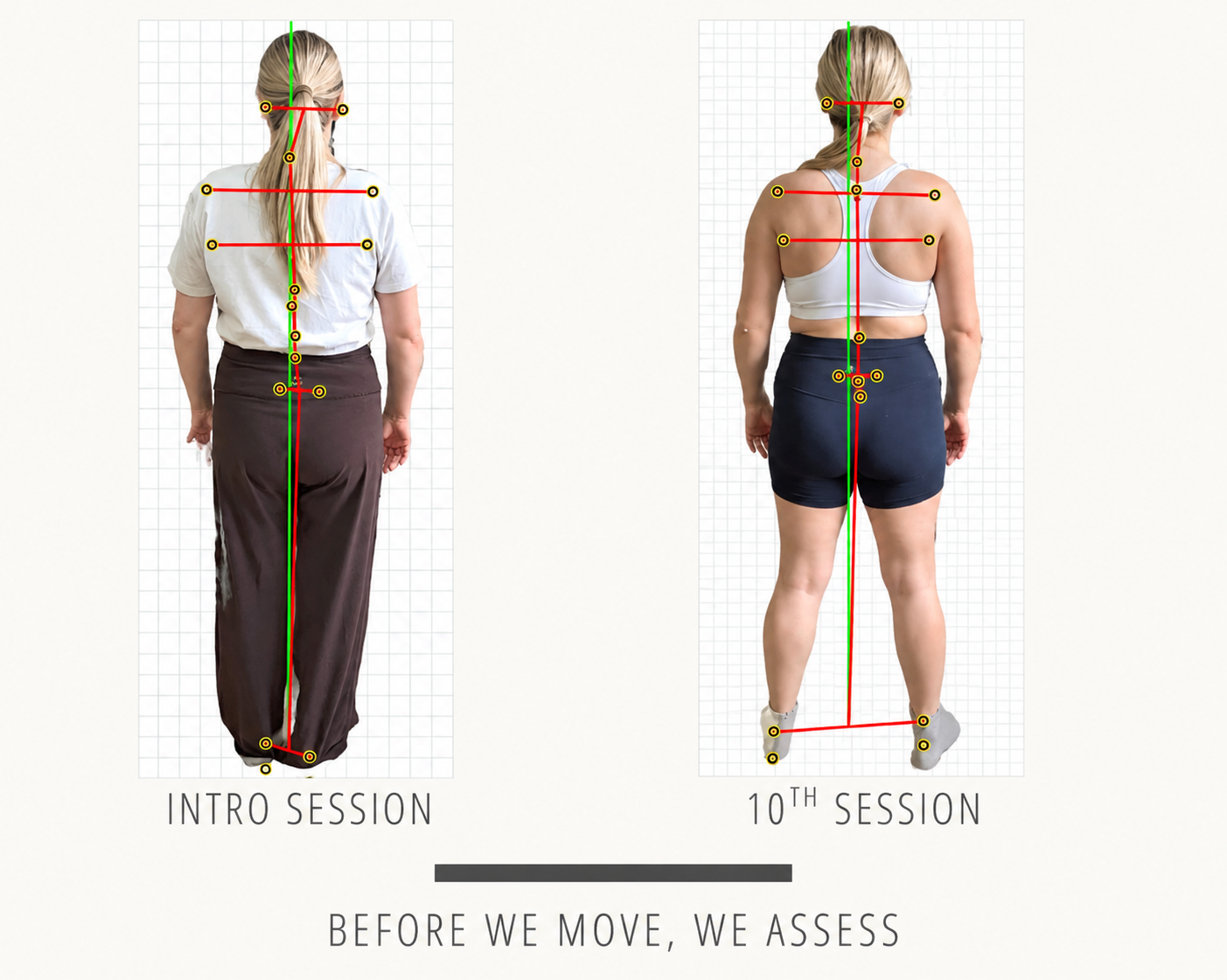
Please note: This article is for educational purposes only and is not a substitute for medical advice, diagnosis, or treatment. Consult an appropriately qualified healthcare professional about your individual needs and before making changes to your care plan.